


Thanks to Chris and
Main Topics & Key Insights
Box's Vision for Insurance
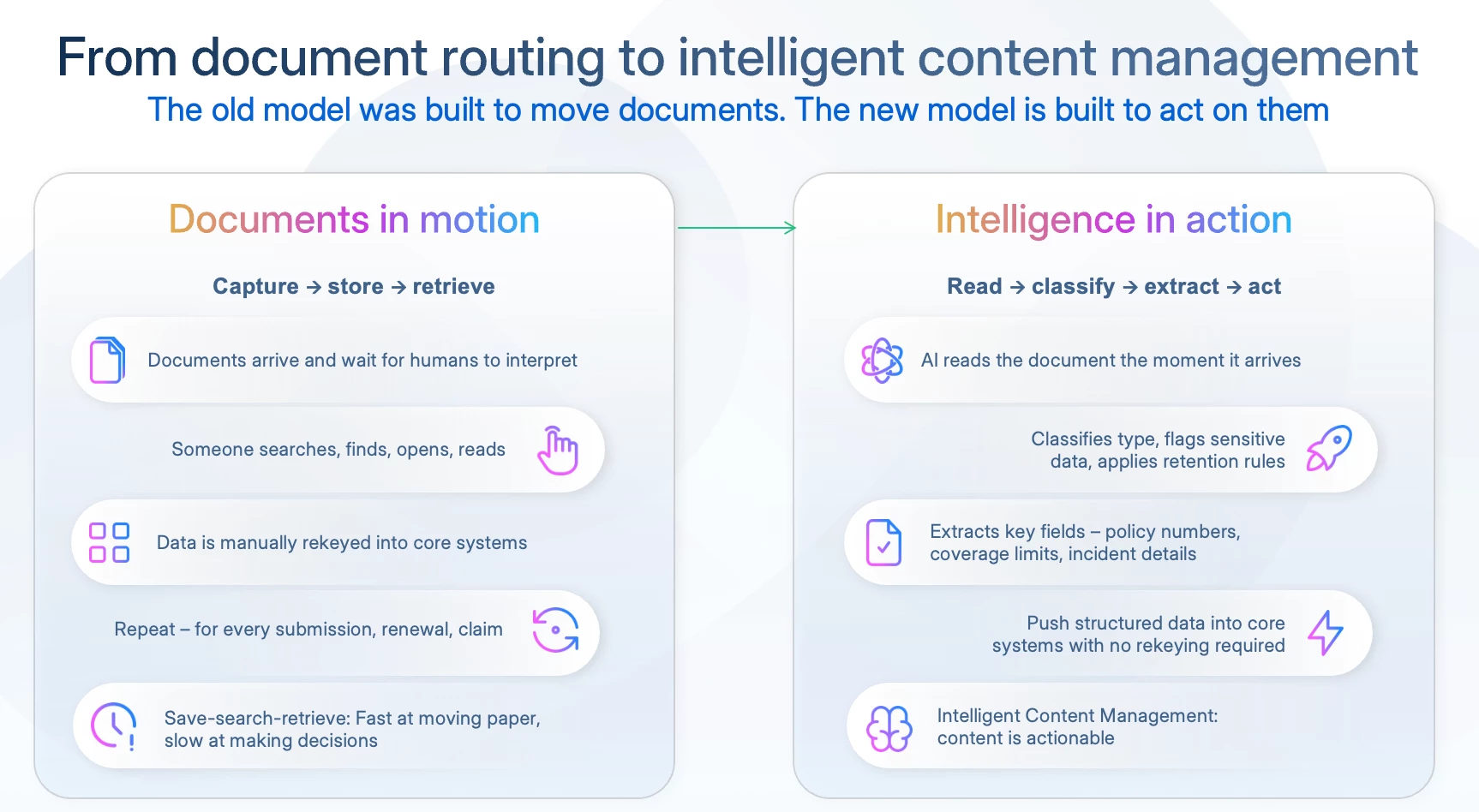
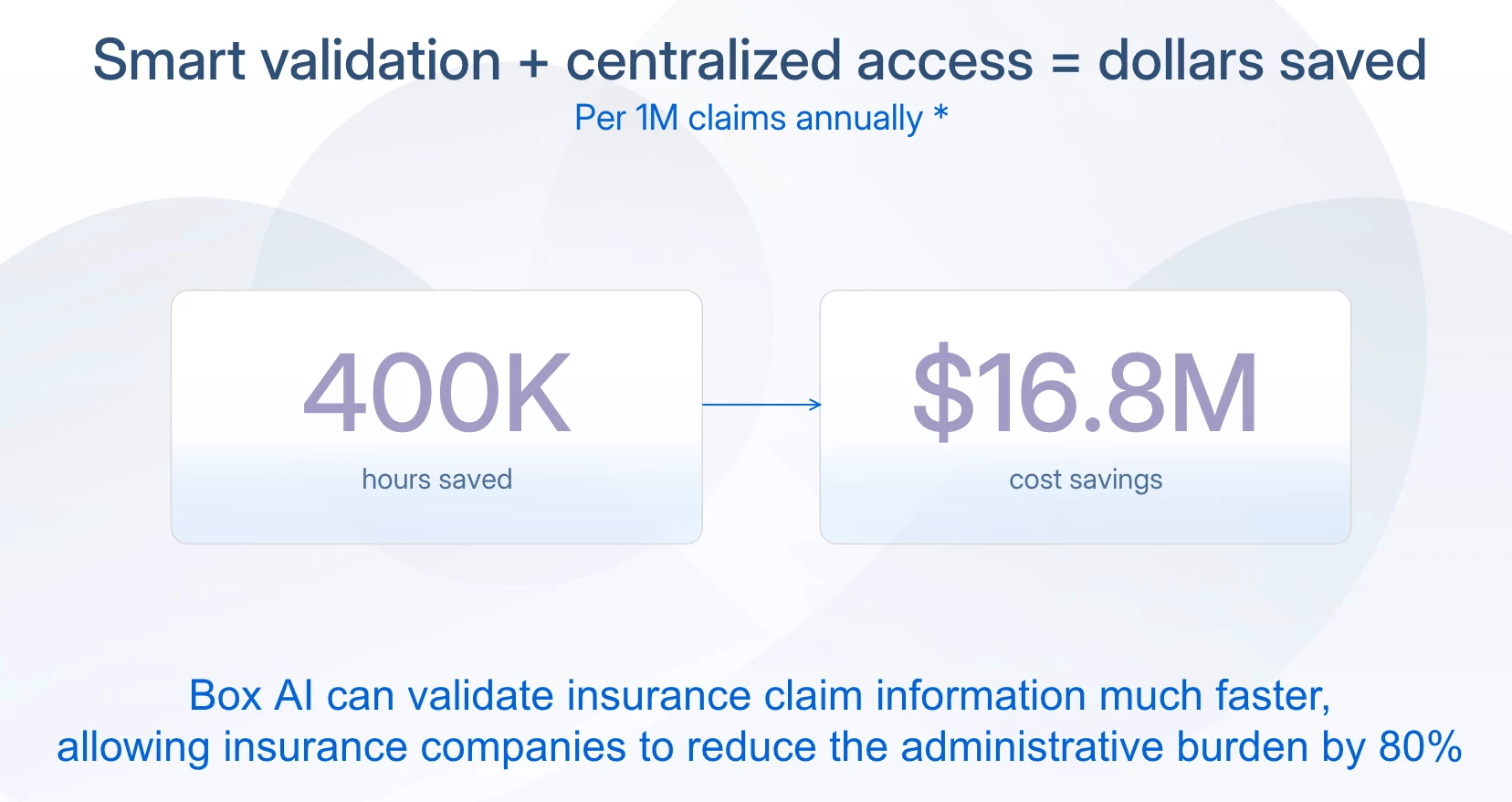
Perry contrasted the outdated model of 'documents in motion' (simply moving files faster) with the modern paradigm of 'intelligence in action.' With Box AI, as soon as documents like loss runs, police reports, or medical records are ingested, they become actionable.
Chris Belle: The Role of the Systems Integrator (ITS)
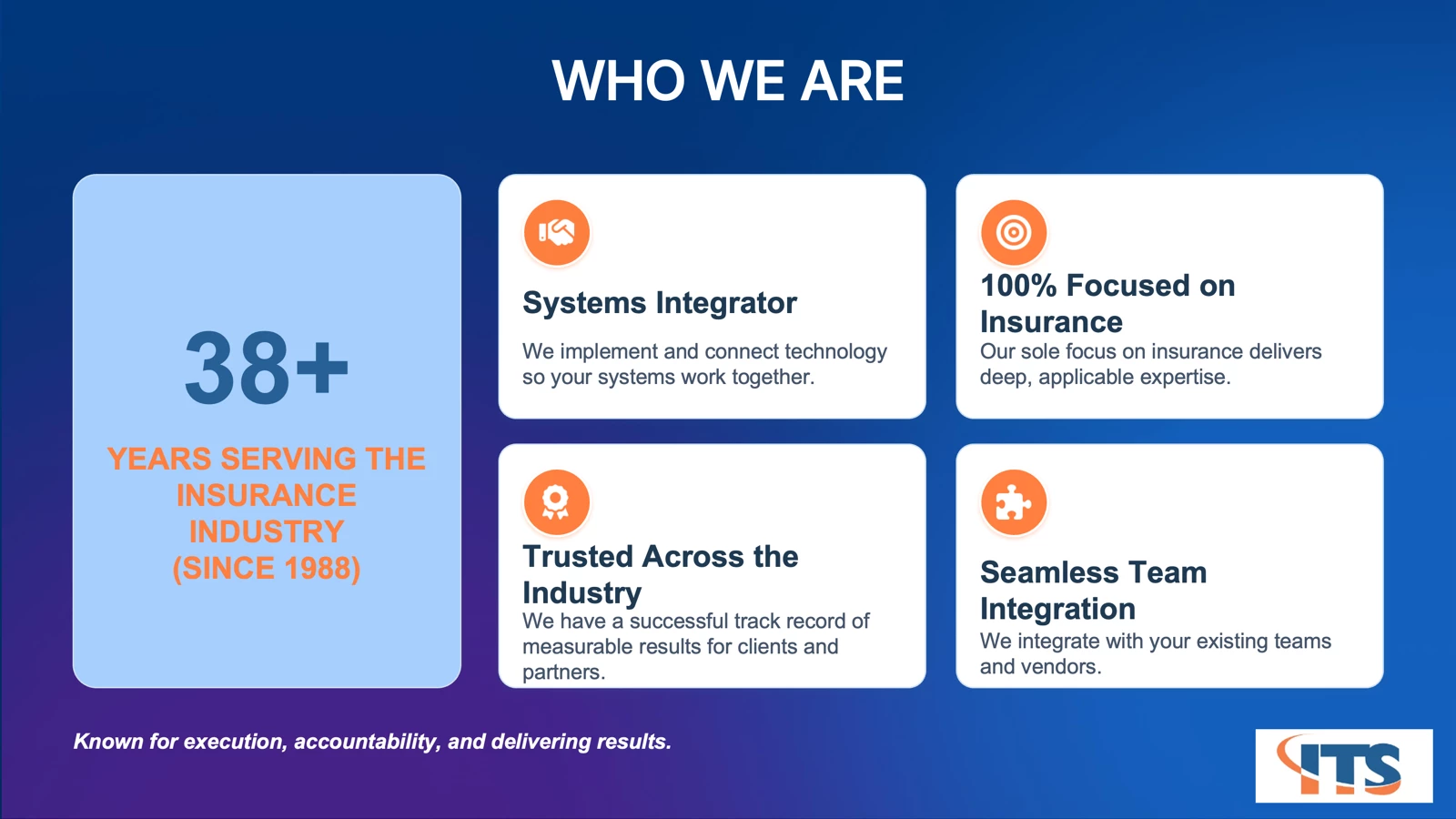
Chris Belle introduced ITS as a systems integrator focused exclusively on the insurance industry. He argued that true transformation is not just about implementing new technology but about making daily work 'simpler, faster, more visible, and more consistent.'
Many bottlenecks are not core system issues but problems of content, collaboration, and workflow between different people and systems. The goal of the ITS and Box partnership is to help the existing insurance ecosystem work better together, not to add another silo.
Chris urged the audience to always ask the critical question after any technology is introduced: 'What work actually becomes easier or disappears?'
Fireside Chat Highlights
The moderated discussion covered several key areas:
-
Technology Selection: Chris advised insurers to evaluate platforms against their real-world operating models, including exceptions and escalations, rather than just scripted 'happy path' demos. Perry added that processes should be understood and optimized before applying technology to avoid automating bad workflows.
-
Future Tech Stack: The consensus was a move towards a 'best-of-breed' approach, where specialized platforms for content, claims, and policy are connected via APIs. Content that needs to be accessed across multiple systems (e.g., policy and claims) is best housed in an adjacent content platform like Box, rather than being siloed in a single core system.
-
Submission Intake & Underwriting: Identified as a primary bottleneck, this process suffers from documents arriving in multiple formats and channels. AI can triage submissions, extract key data, and flag missing information. This frees underwriters from manual data entry and allows them to focus on high-value risk evaluation. The key is ensuring AI summaries are transparent and traceable back to the source documents.
-
Claims Management: The biggest delays occur in the movement and organization of information. AI can prepare and summarize a claim file for an adjuster, but human judgment must remain central for interpreting coverage, assessing liability, and detecting potential fraud. The speakers emphasized that AI should be viewed as a powerful assistant that removes administrative work, not as the final decision-maker.
-
Implementation and Data Governance: Successful projects begin with clear business goals and involve end-users in the design process from the start.
-
The speakers highlighted the growing importance of the 'Data Architect' role and a comprehensive data strategy that accounts for unstructured content, which Perry noted makes up 90% of an organization's data.
Conclusion
The chat concluded that AI is no longer a futuristic concept but a practical tool available today to solve the insurance industry's most persistent operational challenges. By intelligently automating content-intensive workflows, insurers can gain a significant competitive edge through lower costs, faster service, and a superior customer experience.
If you are in insurance, we welcome you to share your feedback or challenges in the replies!